
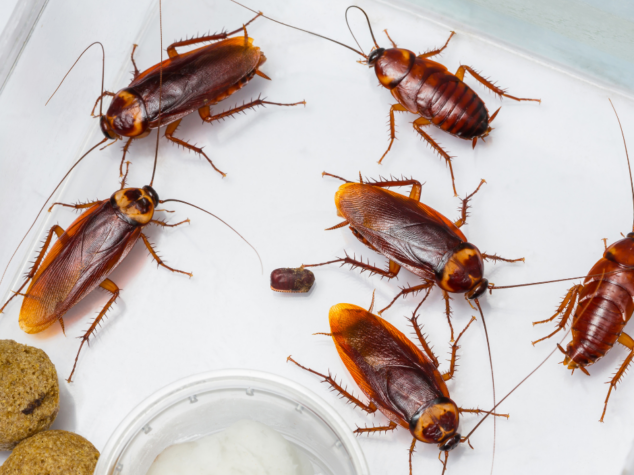
When cold weather sets in, pests don’t disappear—they look for shelter. Gaps, cracks, and unsealed openings in your home become easy access points for rodents and insects seeking warmth. Properly sealing your home during winter is one of the most effective ways to prevent infestations before spring arrives.
Why Cold Weather Drives Pests Indoors
As temperatures drop, pests search for:
- Warmth
- Food
- Water
- Protected nesting areas
Your home provides all of these, especially if there are unnoticed entry points. Once inside, pests can remain hidden through winter and multiply as soon as spring begins.
Common cold-weather invaders include mice, rats, cockroaches, spiders, stink bugs, and other overwintering insects.
How to Seal Your Home Against Pests in Winter
1. Inspect and Seal Foundation Cracks
Even hairline cracks in your foundation can allow pests inside. During winter, expanding and contracting materials can make these gaps worse.
What to do:
- Check foundation walls for cracks
- Use concrete sealant or caulk where needed
- Pay close attention to corners and ground-level areas
2. Weatherstrip Doors and Windows
Doors and windows are among the most common pest entry points in cold weather.
Seal these areas by:
- Installing or replacing weatherstripping
- Repairing damaged door sweeps
- Caulking gaps around window frames
If you can feel cold air coming in, pests can get in too.
3. Seal Utility and Pipe Openings
Pests often enter where utility lines and pipes penetrate your home.
Inspect areas around:
- Water lines
- Gas lines
- HVAC components
- Electrical conduits
Use steel wool, expanding foam, or appropriate sealants to close gaps while still allowing proper ventilation where required.
4. Secure Vents, Chimneys, and Attics
Roofline access points are frequently overlooked during winter.
Make sure to:
- Install vent covers with pest-proof screening
- Cap chimneys properly
- Repair damaged soffits or fascia
- Seal attic access points tightly
Rodents and wildlife often use these areas to nest during cold months.
5. Eliminate Exterior Attractants
Sealing your home works best when combined with exterior prevention.
Reduce attraction by:
- Moving firewood away from the house
- Trimming branches away from siding and rooflines
- Removing debris and clutter near foundations
- Securing trash bins with tight-fitting lids
Why Winter Sealing Prevents Spring Infestations
Sealing your home during cold weather stops pests before they:
- Establish nesting sites
- Reproduce in spring
- Cause structural damage
- Create health risks
Winter exclusion is proactive pest control—it prevents problems instead of reacting to them later.
When to Call a Professional
While DIY sealing helps, professionals can identify hidden vulnerabilities homeowners often miss. A professional pest inspection can:
- Locate concealed entry points
- Identify existing pest activity
- Recommend long-term exclusion solutions
- Prevent repeat infestations
Cold weather is one of the best times to address pest entry issues effectively.
Protect Your Home Before Spring Arrives
Taking the time to seal your home during winter can save you from costly infestations and repairs later. Prevention now means fewer surprises when temperatures rise.
Schedule a professional pest inspection today and ensure your home stays pest-free all year long.