
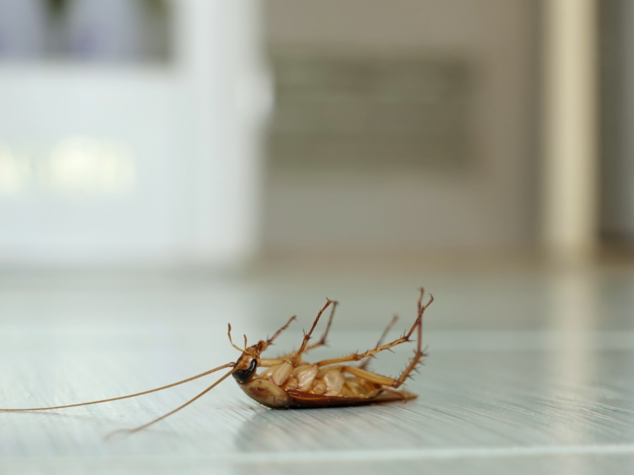
When temperatures drop, pests don’t disappear—they relocate. February is one of the most common months for homeowners to notice increased pest activity indoors, even though it’s the coldest time of year. Understanding why this happens—and how to stop it—can help you avoid costly infestations when spring arrives.
Why Winter Pests Are a Problem in February
During winter, insects and rodents seek warmth, food, and shelter. Your home provides all three. While many homeowners assume pest control is only necessary in warmer months, February is actually a critical time to prevent pests from establishing themselves inside walls, attics, and basements.
Common winter pests include:
- Rodents (mice and rats)
- Spiders
- Cockroaches
- Ants
- Overwintering insects such as stink bugs and boxelder bugs
Once pests move indoors, they often remain hidden until spring—when populations grow and damage becomes more visible.
How to Prevent Winter Pests in February
1. Seal Entry Points Before Pests Find Them
Even small gaps can become major access points. In February, pests exploit:
- Cracks in foundations and siding
- Gaps around doors and windows
- Utility line openings
- Dryer vents and attic access points
Sealing these areas now reduces the likelihood of pests nesting inside your home before spring.
2. Reduce Indoor Food Sources
Cold weather increases pest activity around food storage areas. To limit attraction:
- Store pantry items in sealed containers
- Clean crumbs and spills promptly
- Secure pet food and bird seed
- Take out trash regularly and use tight-fitting lids
Reducing food access forces pests to leave—or prevents them from staying.
3. Control Moisture and Humidity
Many winter pests are drawn to moisture. February is an ideal time to:
- Fix leaks under sinks and appliances
- Use dehumidifiers in basements and crawl spaces
- Ensure proper ventilation in bathrooms and laundry rooms
Dry environments are far less appealing to insects and rodents.
4. Inspect Attics, Basements, and Garages
Pests often settle in areas homeowners rarely check during winter. Look for:
- Droppings or nesting materials
- Gnaw marks on wires or wood
- Scratching sounds inside walls or ceilings
- Unusual odors
Early detection in February can prevent a small issue from becoming a major infestation in spring.
5. Schedule a Professional Winter Pest Inspection
Many infestations go unnoticed until warmer months—when pests become more active and visible. A professional pest inspection in February can:
- Identify hidden pest activity
- Prevent spring population spikes
- Reduce emergency service calls
- Save money on long-term treatments
Preventative pest control during winter is one of the most effective ways to protect your home year-round.
Why February Pest Prevention Matters
Waiting until spring often means dealing with:
- Larger infestations
- Structural damage
- Health risks
- Higher treatment costs
Addressing pest issues in February allows homeowners to stay ahead of the problem rather than reacting to it later.
Protect Your Home Before Spring Arrives
If you’re seeing signs of pest activity—or want to prevent issues before they start—February is the perfect time to act. A proactive approach now can save time, stress, and money in the months ahead.Schedule a winter pest inspection today and keep unwanted pests out of your home for good.