
Many homeowners wait until spring to think about pest control—right when infestations are already underway. What most don’t realize is that February is one of the most effective and cost-efficient times to prevent major pest problems before they start. Acting now can save you money, time, and frustration when warmer weather arrives.
Why Spring Pest Problems Start in Winter
During winter, pests don’t disappear—they relocate. Rodents and insects move indoors to escape the cold, nesting in walls, attics, and basements where they remain largely unseen. As temperatures rise, these hidden pests become active, reproduce quickly, and spread throughout the home.
Common spring infestations often originate from:
- Rodents that overwintered indoors
- Overwintering insects such as cockroaches, ants, and stink bugs
- Entry points that go unnoticed during colder months
By spring, pest populations are already established.
Why February Is the Smartest Time to Act
February offers a strategic advantage for pest prevention:
- Pests are concentrated in fewer areas
- Nesting sites are easier to identify
- Preventative treatments are more effective
- Exclusion work stops pests before breeding begins
Addressing pest issues now prevents the expensive consequences of waiting.
How Acting in February Prevents Costly Spring Infestations
1. Stop Pests Before They Multiply
Most pests reproduce rapidly once temperatures rise. Eliminating or excluding them in February disrupts breeding cycles and prevents population explosions.
2. Identify Hidden Pest Activity Early
Winter inspections uncover:
- Rodent nesting sites
- Entry points in foundations and rooflines
- Moisture issues that attract pests
- Structural vulnerabilities
Catching these early reduces damage and treatment costs.
3. Prevent Structural and Electrical Damage
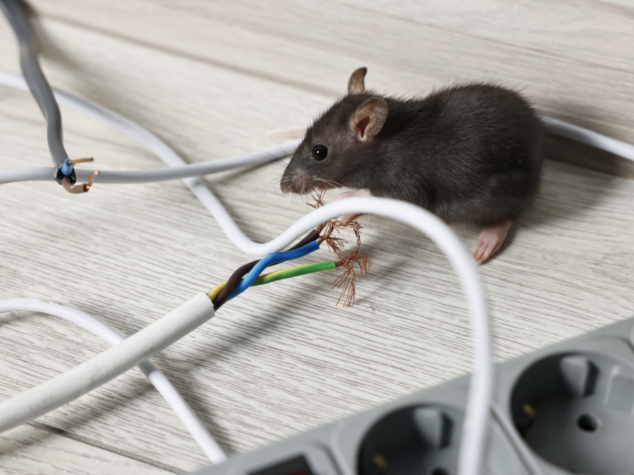
Rodents chew constantly. Left unchecked, they can damage:
- Electrical wiring (fire hazard)
- Insulation and drywall
- Plumbing and ductwork
Winter prevention protects your home’s infrastructure.
4. Reduce Emergency Pest Control Costs
Spring pest emergencies often require:
- Multiple treatments
- Extensive exclusion repairs
- Higher service costs
Preventative winter pest control is typically faster and more affordable.
5. Improve Long-Term Pest Control Results
Winter treatments allow for:
- Targeted pest management
- Fewer follow-up visits
- Better year-round control
Proactive prevention leads to long-lasting results.
Common Pests That Cause Spring Problems
Acting in February helps prevent infestations from:
- Mice and rats
- Ants
- Cockroaches
- Spiders
- Stink bugs and boxelder bugs
These pests often establish themselves months before homeowners notice.
When to Call a Professional
While DIY efforts can help, professional inspections uncover issues homeowners often miss. A pest control professional can:
- Identify concealed infestations
- Recommend targeted treatments
- Seal entry points properly
- Prevent repeat infestations
February is one of the best months for a professional pest inspection.
Take Action Now to Save Later
Waiting until spring often means dealing with bigger infestations and higher costs. Acting in February puts you ahead of the problem—before pests gain the upper hand.
Schedule a winter pest inspection today and avoid costly spring pest problems before they begin.